Maximizing Amazon SKU Profitability: Integrating Repricing and FBA Reimbursement Strategies


Amazon FBA profit optimization is the strategic process of protecting margins through precise pricing and the restoration of lost capital via FBA error identification. By integrating competitive pricing with systematic expense recovery, sellers can stabilize cash flow and maintain a more accurate view of their SKU-level profitability. Tools like SELLERLOGIC assist in this process by automating the detection of discrepancies and optimizing price positions within defined boundaries.
Success on Amazon requires a focus on sustainable contribution margins. As the marketplace matures, margins are affected by the impact of rising Amazon fulfillment fees, advertising costs, and logistical complexities. To thrive, sellers should adopt a workflow where revenue growth and capital restoration work in tandem, ensuring that sales velocity does not come at the expense of bottom-line health.
The Contribution Margin: A Foundation for Profitability
To optimize profit, sellers must first understand the "true" margin of every SKU. A worked contribution-margin formula is essential for making informed pricing decisions:
Contribution Margin (%) = [(Total Revenue - Variable Costs) / Total Revenue] x 100
Variable costs include:
- Cost of Goods Sold (COGS)
- Amazon Referral Fees
- FBA Fulfillment Fees
- Shipping and Logistics
- PPC and Advertising Spend
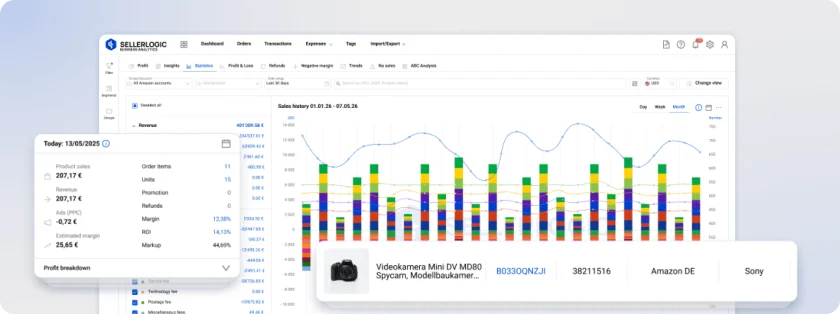
By identifying the contribution margin at the SKU level, sellers can set more effective minimum price floors in their automated repricing software. This ensures that every sale contributes to fixed costs and net profit, rather than just driving volume for its own sake. An Amazon product analytics tool such as SELLERLOGIC Business Analytics shows profit per product after costs, fees and refunds, so you can set those floors from real data.
Strategic Revenue Management via Amazon Buy Box Optimization
The Amazon Buy Box remains the primary driver of sales velocity. Winning the Buy Box requires balancing various factors influencing the Amazon Buy Box, such as fulfillment method, seller health, and competitive pricing.
The Role of Amazon Dynamic Repricing
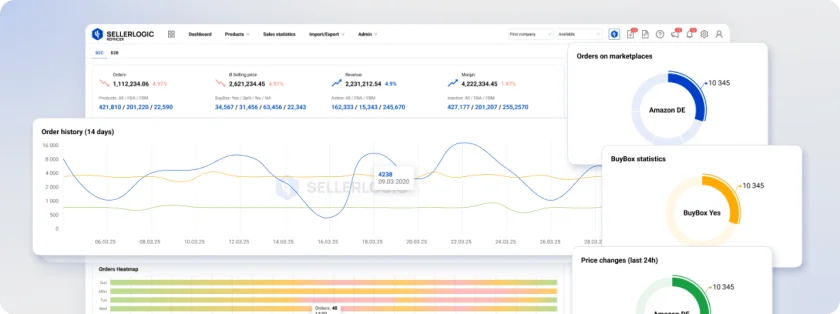
Amazon dynamic pricing with SELLERLOGIC Repricer allows sellers to maintain a competitive market position without constant manual adjustments. Modern repricing solutions utilize documented inputs—including competitor prices, current market position, and sales-based strategies—to optimize the Buy Box share.
Sellers typically choose between two main approaches:
- Rule-Based Repricing: Executes price changes based on predefined parameters (e.g., "always stay $0.01 lower than the lowest FBA offer").
- Algorithmic Repricing: Analyzes multiple market variables to find the optimal price point that secures the Buy Box while attempting to maximize the margin per unit.
Both methods require strictly configured Min and Max limits to ensure the software operates within the seller’s profitability requirements and assists in avoiding Amazon Fair Pricing Policy violations.
Restoring Capital with FBA Reimbursement Recovery
FBA reimbursement recovery is the process of auditing an Amazon account to identify logistical errors and filing claims for the restoration of eligible losses. These reimbursements are not "found money"; they are the restoration of capital or inventory costs that were lost due to warehouse or shipping errors.
SELLERLOGIC estimates that between 1% and 3% of a seller’s annual turnover can be affected by FBA discrepancies. While not a guaranteed rate for every seller, these figures highlight the importance of regular account audits.
The SELLERLOGIC Lost & Found Full-Service Process
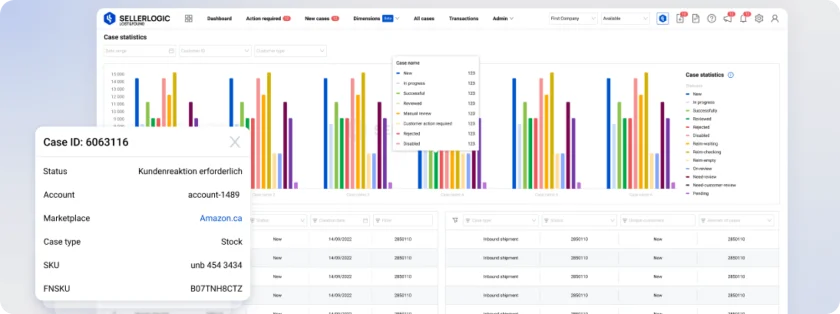
SELLERLOGIC Lost & Found Full-Service is an Amazon reimbursement tool that combines software-based detection with expert management to handle the complexities of Amazon’s claims system:
- Automated Detection: The software scans the account for discrepancies such as lost or damaged inventory, inbound shipment errors, and customer return issues.
- Case-Specific Windows: Amazon applies different time limits for various claim types. The tool monitors these specific windows to ensure claims are filed before they expire.
- Full-Service Submission: Rather than a simple data export, the process involves expert communication and tracking of claims with Amazon Support, reducing the administrative burden on the seller.
SKU-Level Profitability Workflow
To integrate these strategies, sellers should follow a structured workflow to maintain SKU health:
- Land Cost Analysis: Calculate the total cost to get the product to an FBA warehouse.
- Fee Monitoring: Track actual FBA fees against expected fees to catch measurement errors.
- Reimbursement Tracking: Identify where capital is being tied up in claims and ensure these funds are restored to the business.
- Repricer Calibration: Update Min/Max price limits based on the current contribution margin, accounting for any shifts in FBA fees or COGS.
30-Day Profit Optimization Test Plan
Sellers looking to implement this integrated approach can use the following 30-day plan to measure impact:
- Days 1–7: Historical Audit: Use Lost & Found to identify unclaimed discrepancies within the case-specific windows.
- Days 8–14: Margin Reset: Apply the contribution-margin formula to the top 20% of ASINs (by volume) and update repricing floors.
- Days 15–21: Strategy Deployment: Activate dynamic repricing strategies focused on Buy Box optimization rather than just the lowest price.
- Days 22–30: Analysis & Refinement: Review the impact on sales velocity and compare the value of restored capital against the cost of discrepancies.
Summary: Sustainable Growth Through Systematic Optimization
Achieving long-term success on Amazon requires a balanced approach. By integrating Amazon dynamic repricing with a systematic FBA reimbursement recovery process, sellers can protect their margins from erosion. Automation bridges the gap between sales velocity and capital preservation, ensuring that the business remains built on a foundation of sustainable profitability.
Our products